|
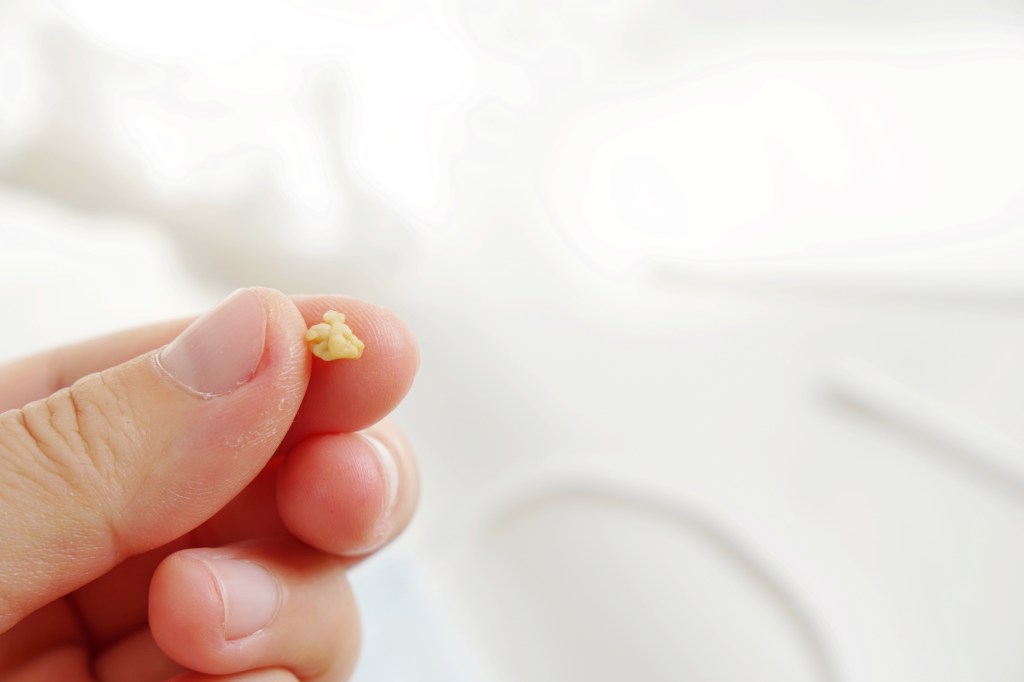
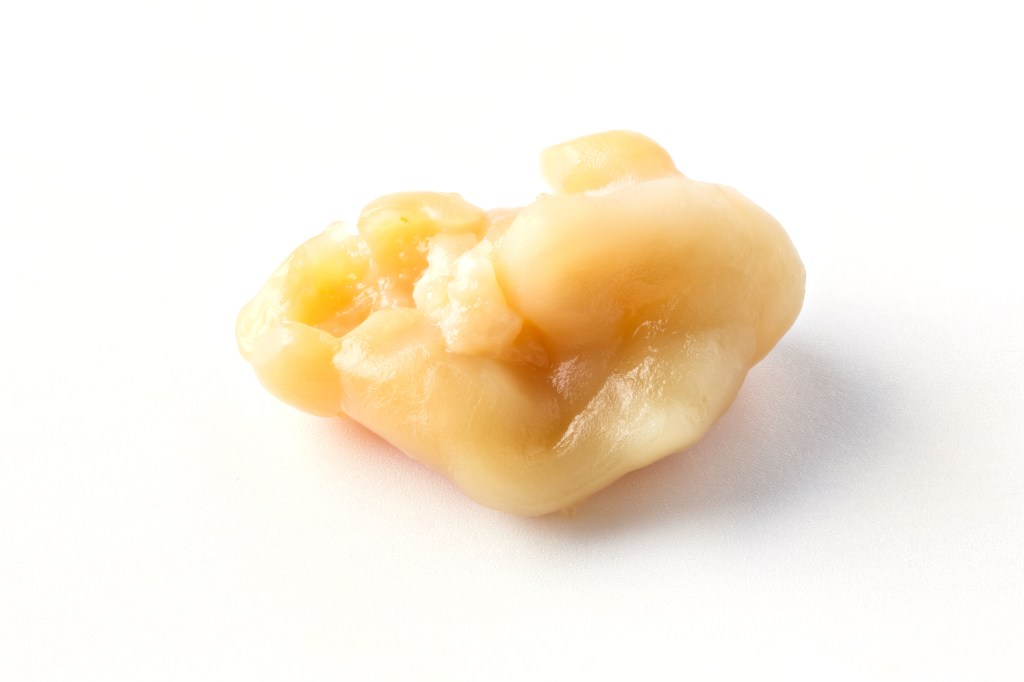
Tonsil stones are calcified debris in the tonsils that can lead to bad breath, a sore throat, and difficulties swallowing. They often occur due to poor oral hygiene, enlarged tonsils, frequent tonsil infections, and a chronically dry mouth. In addition, antibiotic use, a high-carb diet, dairy consumption, and nutrient deficiencies may also increase the risk of tonsil stone formation. Discover the common causes of these deposits and learn how to prevent tonsil stones and support oral health naturally. What are tonsil stones?The tonsils are oval-shaped lymphatic tissues on both sides at the back of the throat. These glands are a part of the immune system and perform several functions, including trapping bacteria and viruses and producing immune cells to help the body fight infection. Tonsilloliths, widely known as tonsil stones, are deposits of calcified food particles, bacteria, mucus, and dead cells that can become lodged in the tonsillar crypts or folds of the tonsils. While tonsil stones are typically off-white or yellow in color and may be noticeable in the back of your throat, deposits deeper in the folds often aren’t visible. Tonsil stones are small, generally measuring less than five millimeters wide or about the length of a grain of rice. However, a large tonsil stone can reach several centimeters in size. Watch the video below to learn more about the causes of tonsil stones and how to prevent them. Symptoms of tonsil stonesThe primary symptom of tonsil stones is bad breath, which is described as having a similar odor to rotten eggs, linked to the release of bacterial volatile sulfur compounds by trapped microbes. Tonsil stones may also cause other symptoms, such as: Metallic or bad taste in the mouth Unexplained cough Sore throat A feeling of something stuck in the throat Difficulty swallowing Red, irritated, and swollen tonsils Ear pain can also occur due to the shared nerve pathways that refer pain from the tonsils to the ears. However, some people may not experience any symptoms, especially if the stones are small.
Tonsil stones form primarily in those with recurrent tonsillitis, poor dental hygiene, mucus build-up, or dry mouth. These conditions allow food, mucus, and bacteria to collect in the tonsils and calcify. In addition, other habits and health conditions can also contribute to tonsil stone formation. This includes frequent antibiotic use, which can disrupt the balance of beneficial bacteria, creating an environment where harmful microbes thrive. Diets high in refined carbohydrates, sugar, and dairy may also contribute to tonsil stones. Sugar is a readily available food source for bacteria and can lead to microbial colonization of the tonsillar crypts. Dairy also encourages mucus production, which adheres to the tonsils and can cause irritation. This can contribute to tonsil stones as well as upper and lower respiratory infections.
Deficiencies in nutrients that support immune functions, including vitamin D, zinc, and iron, may also contribute to tonsil stones due to an increased risk of recurrent tonsillitis. “There’s a significant association between low vitamin D and tonsillitis,” explains Dr. Berg. “Zinc deficiencies may also cause tonsil stone formation, as this essential mineral helps modulate immune responses against microbes.” A study published in the Journal of Nepal Health Research Council found that nearly 80 percent of tonsillitis patients have low serum vitamin D, and approximately 41 percent of these participants experienced recurrent episodes of tonsillitis.
Tonsil stones are usually harmless but can present with unpleasant symptoms. So, how can tonsil stones be prevented naturally? Preventing them naturally involves maintaining good oral hygiene, staying hydrated, and supporting a healthy balance of oral bacteria. Here are six ways to help manage and prevent tonsil stone formation. 1. Eat plenty of fresh garlicGarlic is widely known as nature’s antimicrobial agent due to its well-documented antiviral, antiparasitic, antibacterial, and antifungal properties. This explains why regularly consuming fresh garlic may reduce the risk of tonsilloliths by limiting the overgrowth growth of harmful bacteria. Additionally, garlic won’t kill friendly bacteria in the mouth and has prebiotic properties, which means it feeds good bacteria and leads to a more balanced oral microbiome linked to a lower risk of tonsil stones.
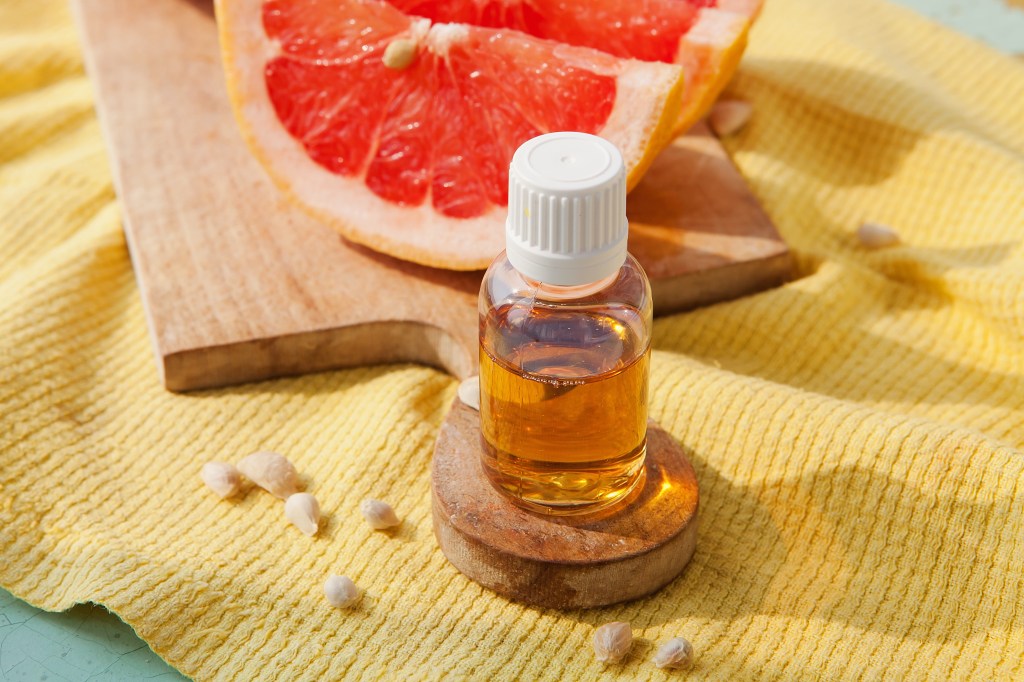
Biofilms are sticky bacterial colonies that form on surfaces in the oral cavity. These protective structures shield bacteria from antimicrobial agents and the immune system, playing a key role in the formation of tonsil stones. Oregano oil and grapefruit seed extract display powerful antibacterial and antibiofilm properties that may help control anaerobic and aerobic populations that can lead to tonsilloliths. A study published in Antibiotics found that “Oregano essential oil revealed promising antimicrobial effects, both in growth inhibition and the destruction of cells in planktonic and biofilm states.” 3. Maintain good oral hygieneBrushing and flossing your teeth twice daily removes bacteria and food particles and prevents debris from accumulating in the mouth and tonsils. It’s recommended to use a water flosser to propel water between the teeth, which dislodges food and plaque more effectively than dental floss. Using a tongue scraper also helps remove bacteria, dead skin, and food that may travel down the throat. Additionally, gargling with a natural, alcohol-free mouthwash or a homemade hydrogen peroxide mouthwash can freshen breath and flush hard-to-reach places in the mouth.
Refined carbohydrates and sugary processed foods, including candy, soft drinks, pasta, bread, and chips, tend to cling to the tonsils and are harder to remove from the mouth. These trapped food particles fuel bacterial growth and can eventually harden into tonsil stones. Eating a nutrient-rich, low-carb, and low-sugar diet can reduce the availability of bacteria’s primary fuel source, thereby minimizing the risk of tonsil stone formation. Following a ketogenic diet is an excellent strategy as this meal plan focuses on consuming large volumes of non-starchy vegetables, moderate protein, and healthy fats to support strong immune defenses and overall health.
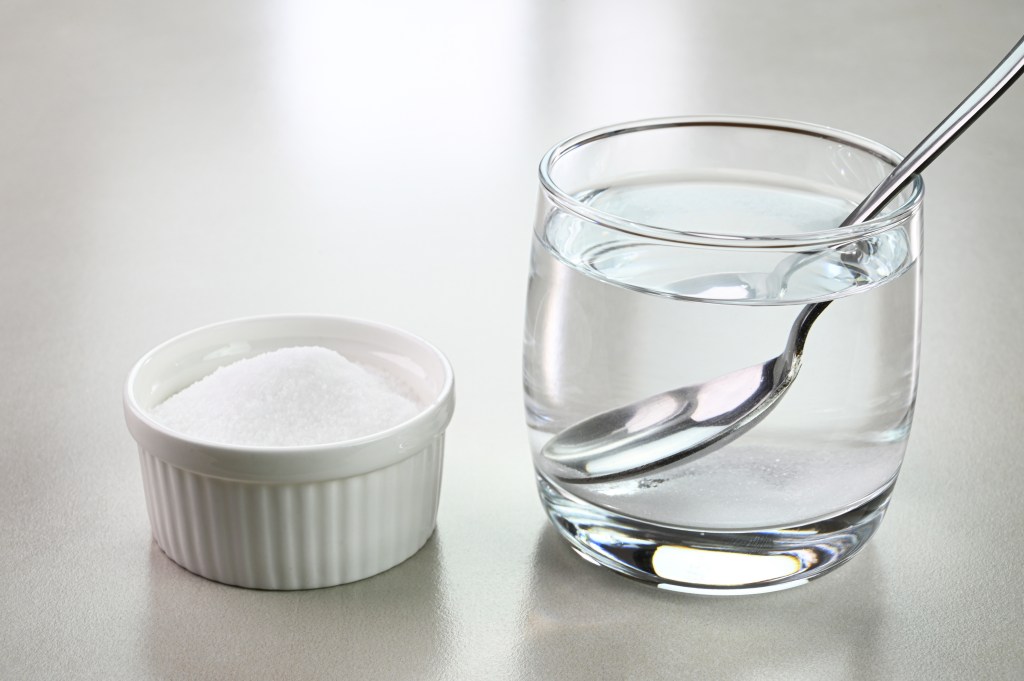
A salt water rinse is a popular method for naturally managing sore throats, tonsil stones, and other mild oral irritations. Gargling with salt water removes debris from the mouth, throat, and tonsils, helps reduce inflammation, and eliminates microbes that may contribute to tonsil stone formation. To use a salt water rinse, dissolve one teaspoon of sea salt in one cup (eight ounces) of warm water. Gargle for 30 seconds and spit it out. 6. Stay hydratedStaying hydrated isn’t just essential for your overall health but also for the prevention of tonsil stones. Water moistens the mouth throughout the day, which stimulates saliva production and flushes out bacteria and debris. Saliva also contains antibacterial agents that help eliminate tonsillolith-causing bacteria.
Tonsil stones typically don’t require medical treatment. However, tonsilloliths can trigger infections that are difficult to remedy at home. Additionally, chronic tonsillitis may require antibiotic treatment or surgical removal, known as a tonsillectomy. Consult your healthcare provider if you experience the following: Noticeably red tonsils Chronic pain Bleeding Difficulties with swallowing or breathing Sleep apnea Pus or white discharge Enlarged tonsils Earaches Recurrent tonsil stones Your healthcare provider can diagnose tonsil stones through a physical examination or, if they’re not visible, with an imaging scan.
Tonsil stones are small, calcified deposits of food, bacteria, and mucus that accumulate in the tonsil folds, triggering bad breath, sore throat, coughing, and other unpleasant symptoms. Although they’re typically benign, knowing how to prevent tonsil stones naturally reduces the risk of discomfort and the potential need for medical interventions or surgery. Practicing good oral hygiene, following a low-carb diet, and using natural remedies such as garlic, oregano oil, and grapefruit seed extract may reduce the risk of tonsil stones and promote overall oral health. FAQ
1. How can I prevent tonsil stones?
Home remedies, such as garlic, oregano oil, salt water gargles, and grapefruit seed extract, can reduce the risk of tonsil stones due to their antimicrobial properties that can help eliminate microbes linked to stone formation. It’s also important to stay hydrated, which stimulates saliva production and flushes bacteria and debris from the mouth. Additionally, a low-carb diet can limit microbial fuel sources, which helps reduce bacterial proliferation linked to tonsil stones. 2. Why do I get tonsil stones so frequently?
Dehydration, poor oral hygiene, and enlarged tonsils can contribute to frequent tonsil stones by allowing bacteria and food debris to accumulate in the tonsillar crypts. There’s also a link between vitamin D and zinc deficiencies and recurring tonsil stones, and prioritizing these nutrients may help bolster the immune system against infections and the subsequent risk of tonsil stones. 3. What flares up tonsil stones?
Poor oral hygiene and a weakened immune system can flare up tonsil stones. Additionally, dairy, sugar, and refined carbohydrates can worsen tonsil stone infections by forming mucus and providing a fuel source that protects and feeds potentially harmful microbes in the mouth. 4. Does mouthwash prevent tonsil stones?
While mouthwash alone won’t completely prevent tonsil stones, it can help reduce the risk of formation by improving overall hygiene. Following a low-carb, low-sugar diet and increasing vitamin D and zinc intake can fortify the immune system against infection and tonsil stone-causing bacteria. 5. How do I get rid of tonsil stones?
Most cases of tonsil stones don’t require medical intervention, and many people remove tonsil stones at home using a water pick or gently pressing on the tonsils with a cotton swab. However, it’s recommended to seek medical attention if tonsil stones are accompanied by discomfort, pain, bleeding, or pus formation. 6. How are tonsil stones treated?
Conventional treatment options include manual tonsil stone removal and antibiotics if an infection is present. Doctors may also perform a tonsillectomy in the case of chronic tonsillitis. However, it’s also possible to manage small tonsil stones by gargling warm salt water and practicing good oral hygiene. 7. Are tonsil stones contagious?
No, tonsil stones aren’t contagious. However, the bacteria that contribute to their formation can cause contagious throat infections, such as strep throat or viral infections. Sourceshttps://pubmed.ncbi.nlm.nih.gov/36974865/ https://pmc.ncbi.nlm.nih.gov/articles/PMC7823584/
Related Articles View all health and wellness tip-related topics (责任编辑:) |